St Mary's Cathedral, Tokyo

Standfirst Kenzō Tange finished St Mary's Cathedral in Sekiguchi in December 1964. Eight concrete shells, a skin of stainless steel, and one blade of light down the middle. It is the most beautiful room in Tokyo.
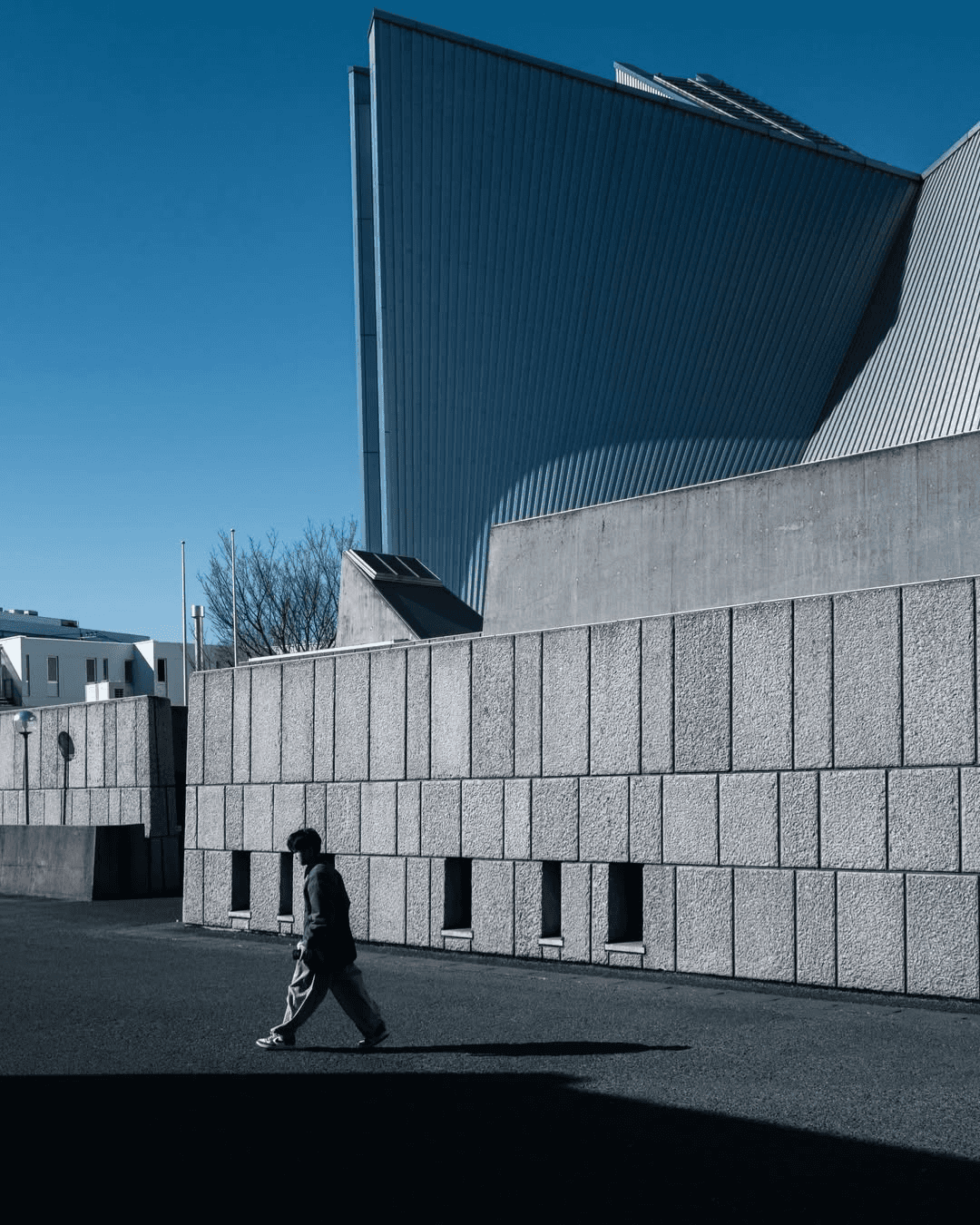
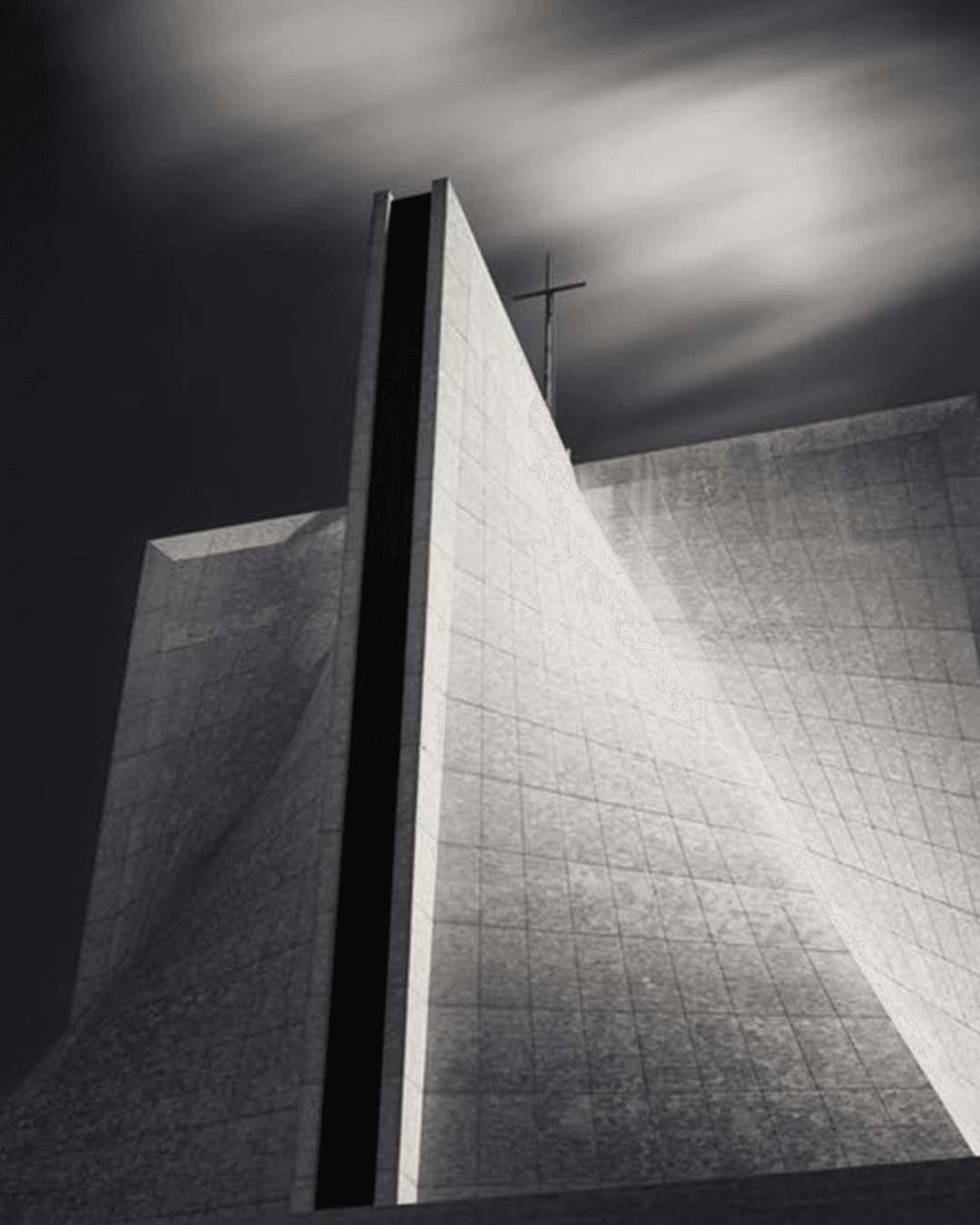
From the street it doesn't read as a building so much as a set of surfaces. Eight concrete shells curve up out of the ground, clad in stainless steel that Tange chose because it never looks the same twice — grey in rain, white at noon, gold for about twenty minutes in the evening. The whole thing shifts depending on when you show up.
Then you go in, and it's a cave.
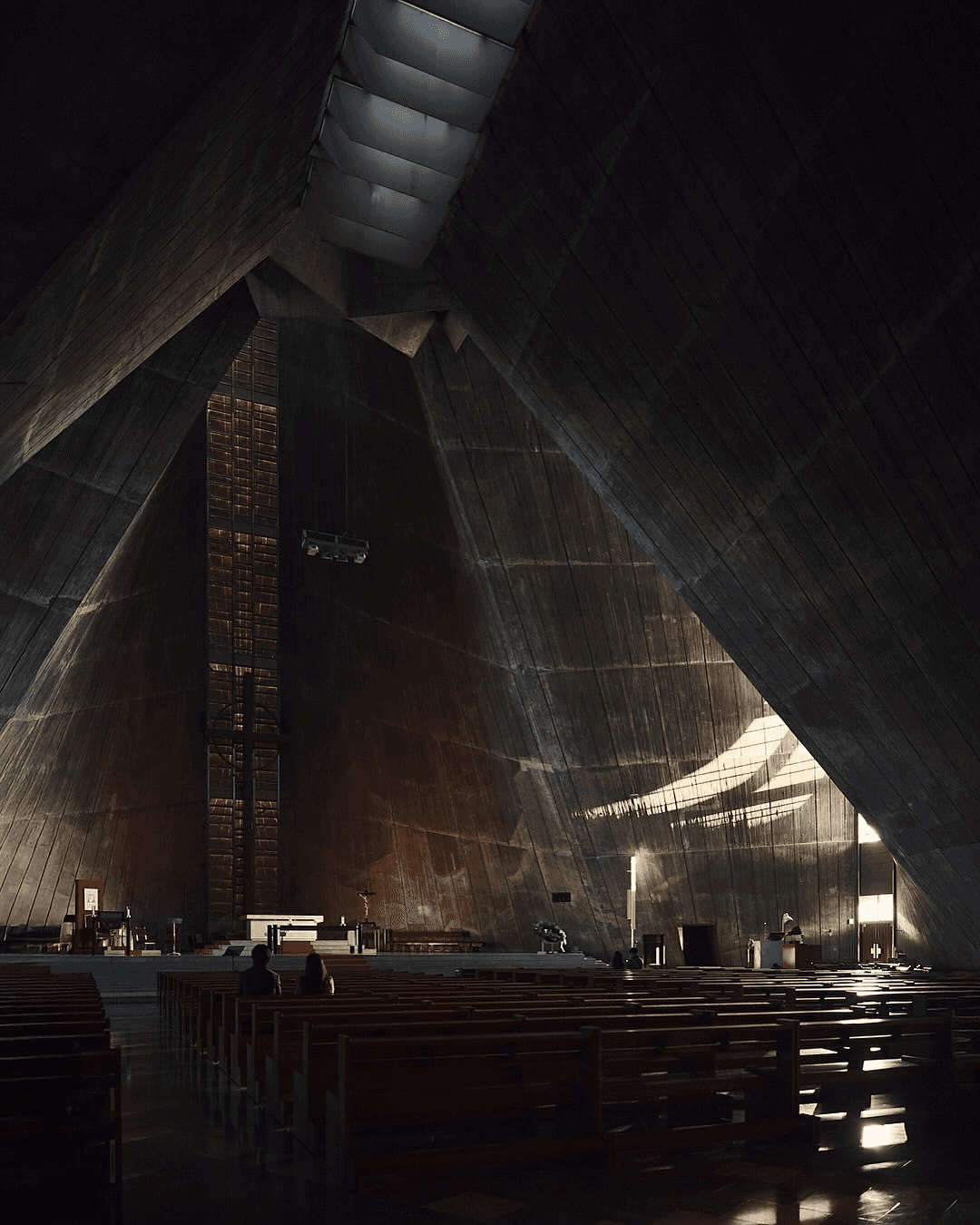
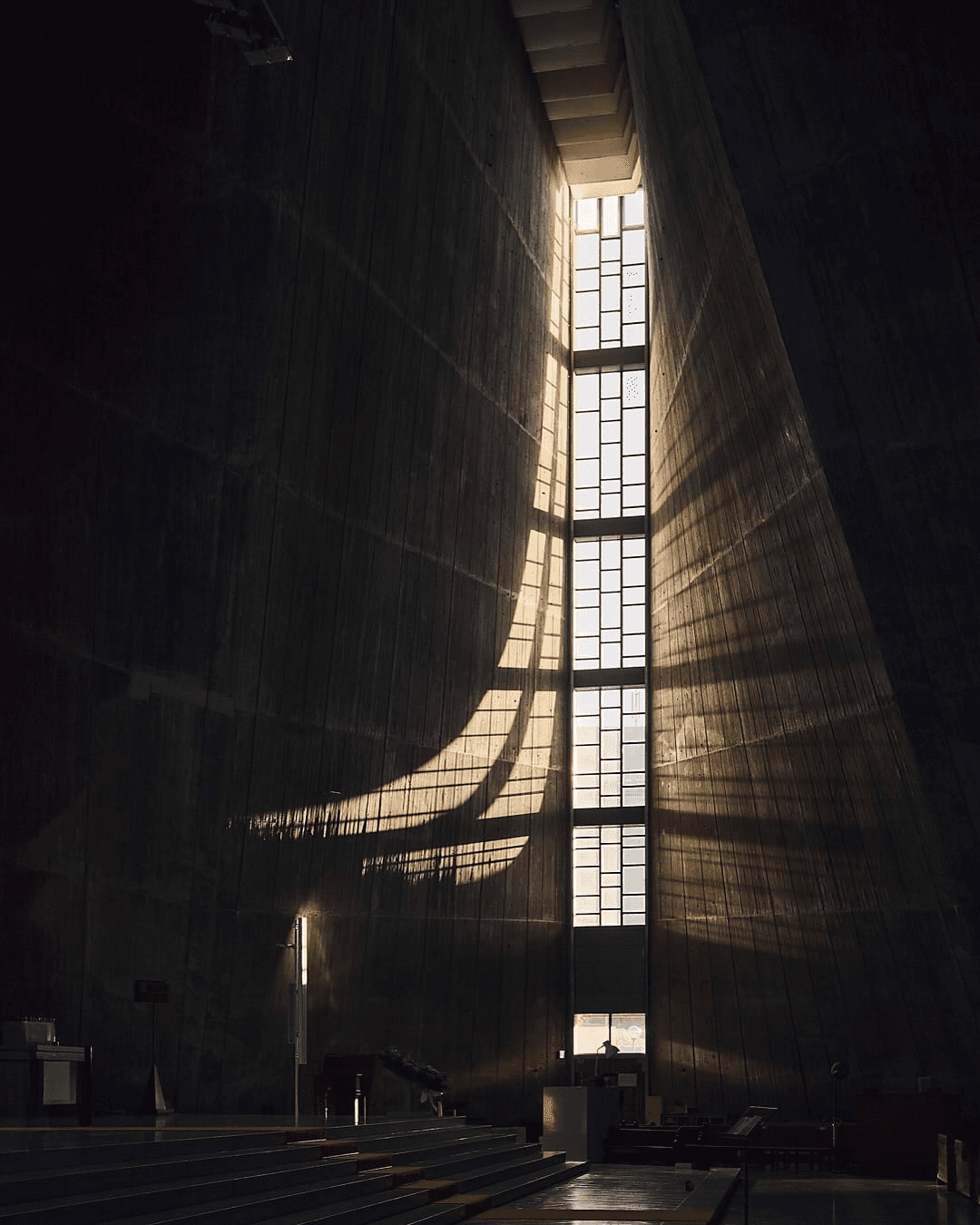
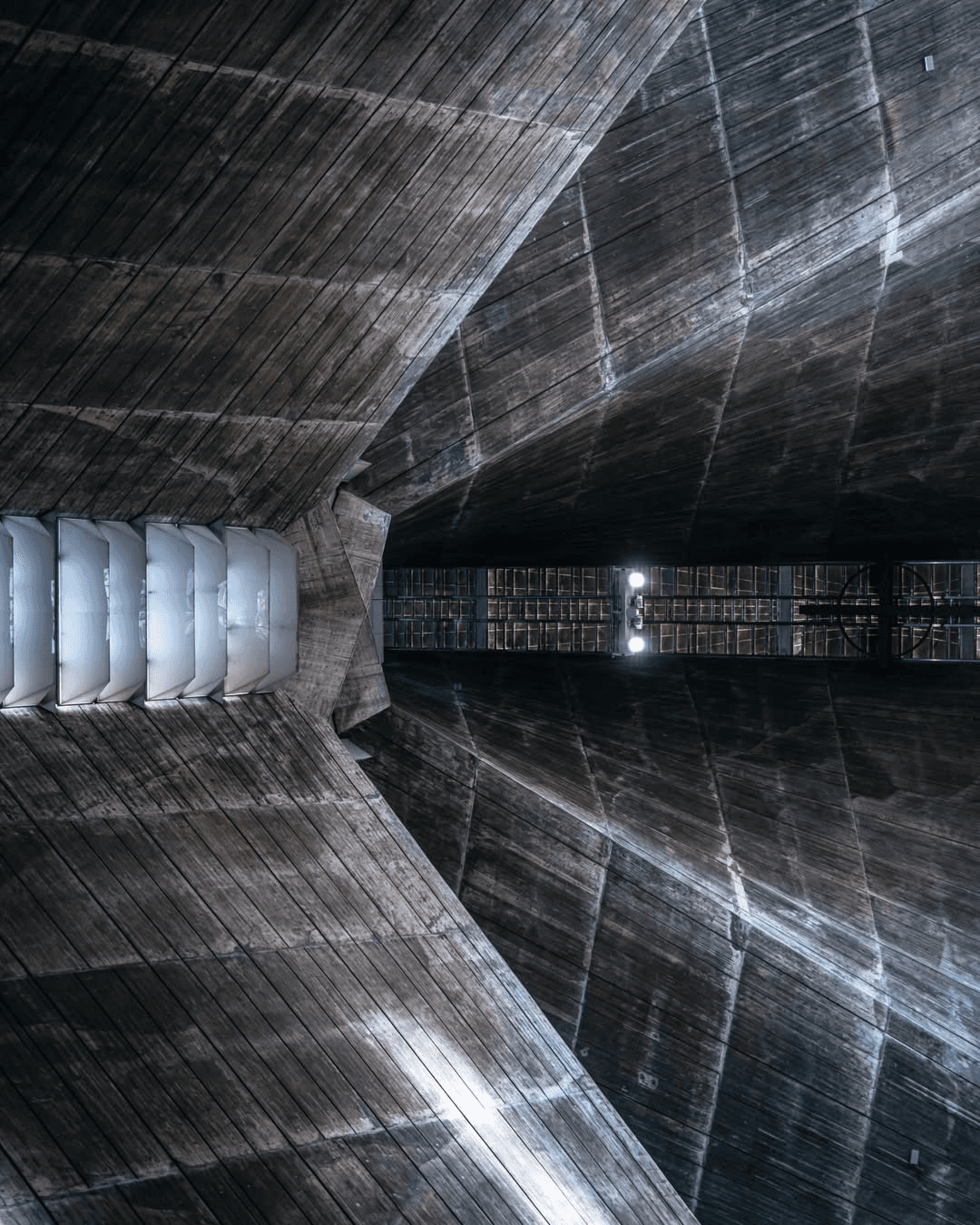
The concrete is raw. Board-marked, unpainted, cold, and dark enough that it takes a minute for your eyes to adjust. Nothing is soft. There is no colour anywhere. And directly overhead, where the eight shells stop short of each other, there is a cross of glass running the full length and width of the ceiling, pouring daylight down onto the floor.
That is the whole building. Everything else is in service of it.
The geometry is the beautiful part. On the ground, the plan is a rhomboid — no cross anywhere. As the shells rise and curve, the gaps between them narrow, and by the time they reach the top they've resolved into a perfect cross. The building becomes a cross on the way up. And the cross isn't made of anything: it's the space where the concrete stopped, filled with sky.
The room holds sound the way it holds light. Bare concrete, no soft surfaces, so a note sung at the altar hangs in the air for a long time before it lets go. It is not a good room for speech. It is an extraordinary room for music, which is presumably why they eventually put a Mascioni organ in it.
None of this was easy to keep. The skylight leaked from the start, and for decades it sat under a second roof that kept the rain out and the light with it. The steel skin corroded. Panels came off in typhoons. In 2007 the cathedral was stripped back to its concrete and re-clad, and the skylight was rebuilt with modern glazing and opened again.
So the light you stand in now is not continuous with 1964. It was gone for most of the building's life and someone decided to go get it back.
Tange's own funeral was held here in March 2005, two years before the cross came back on. He built the most beautiful room in the city and spent forty years watching it with the lights off.